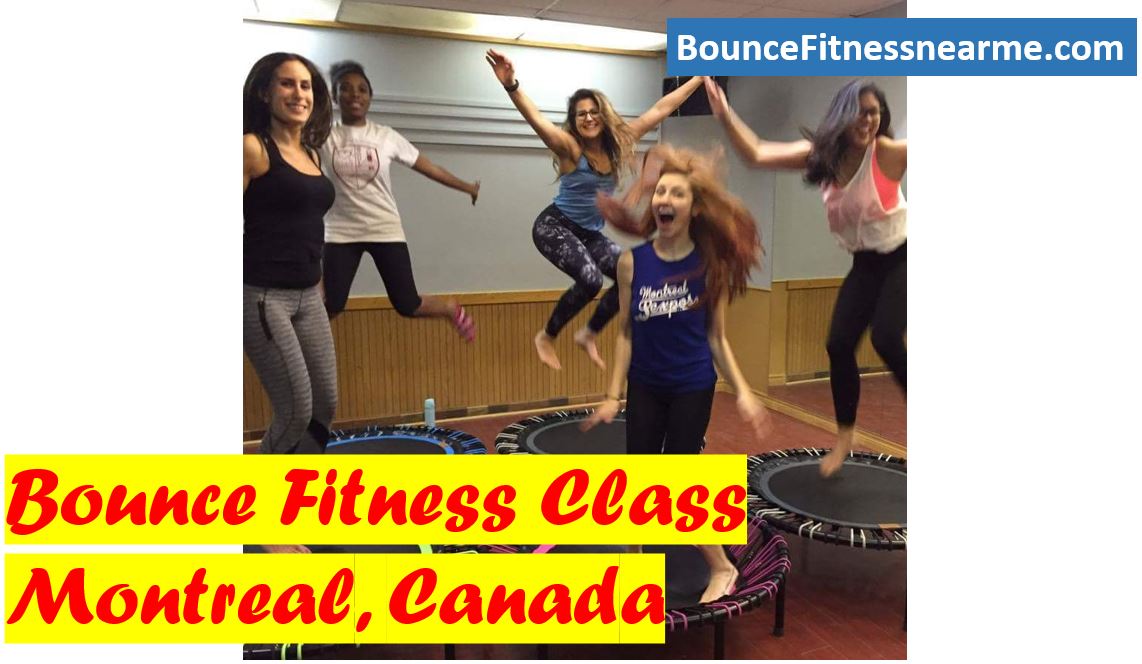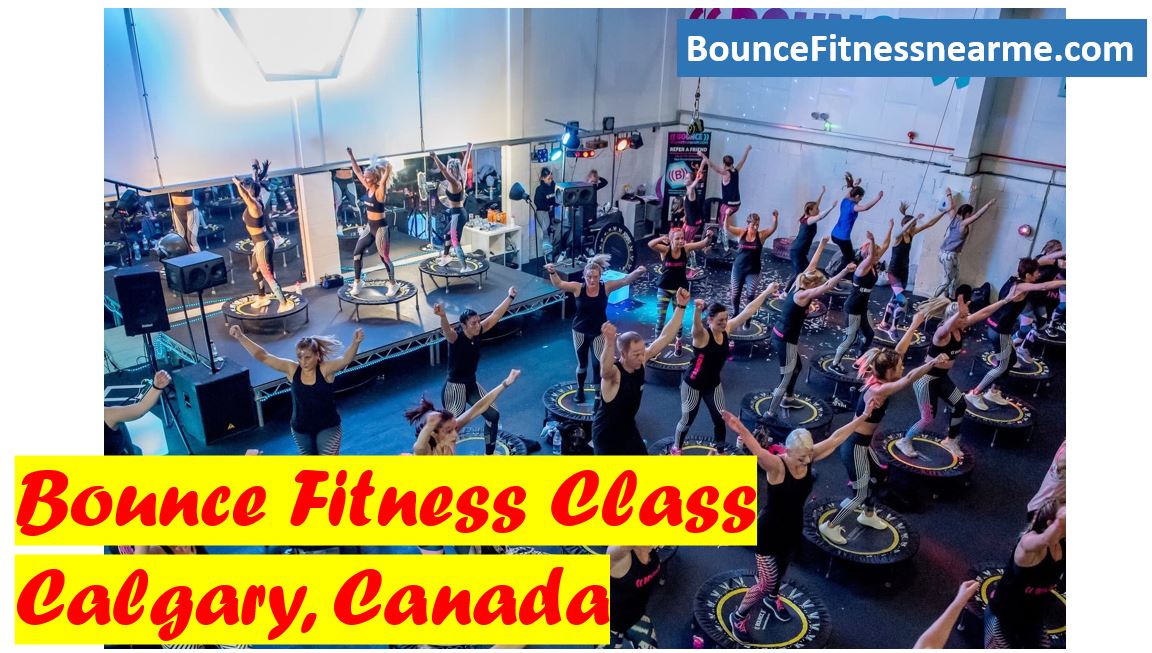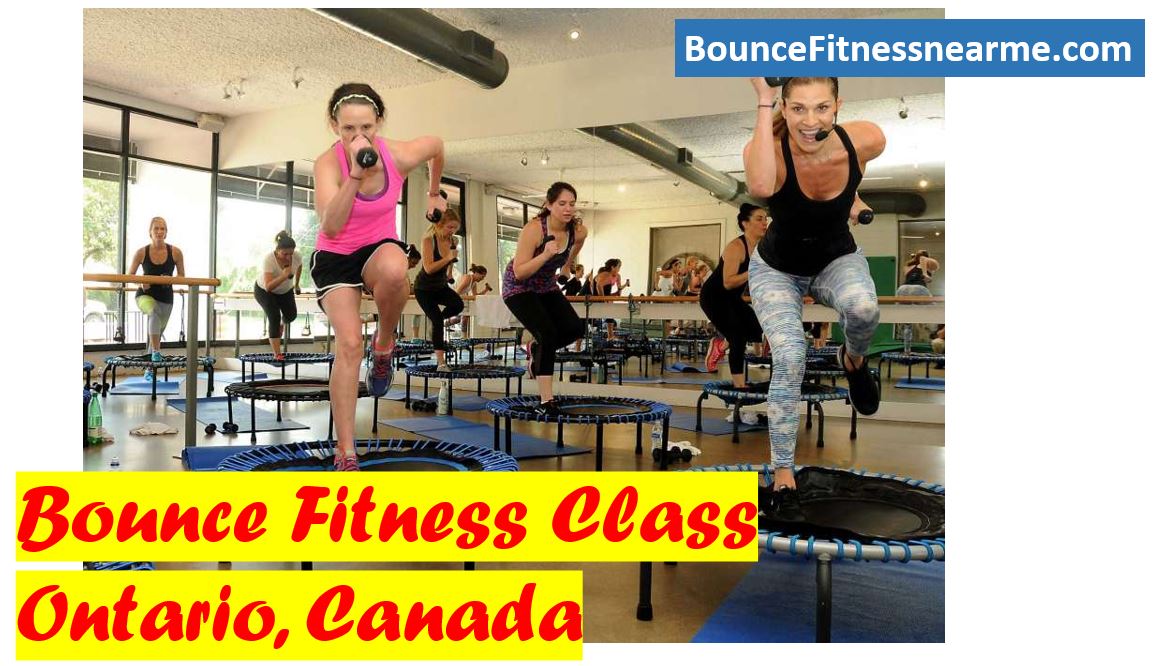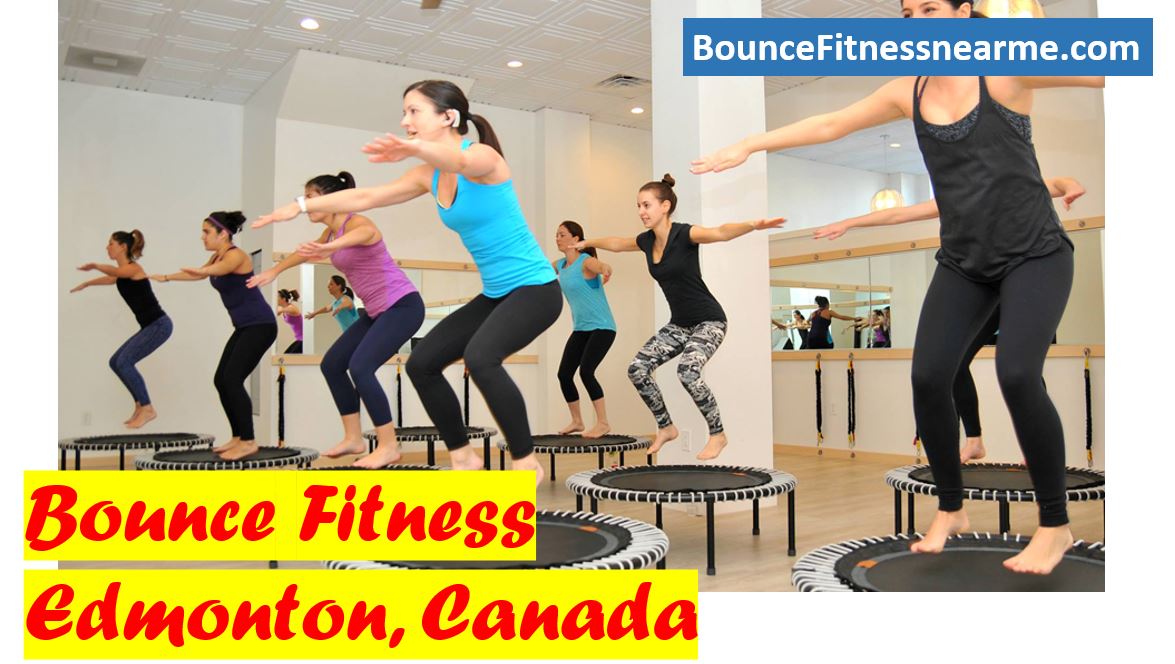
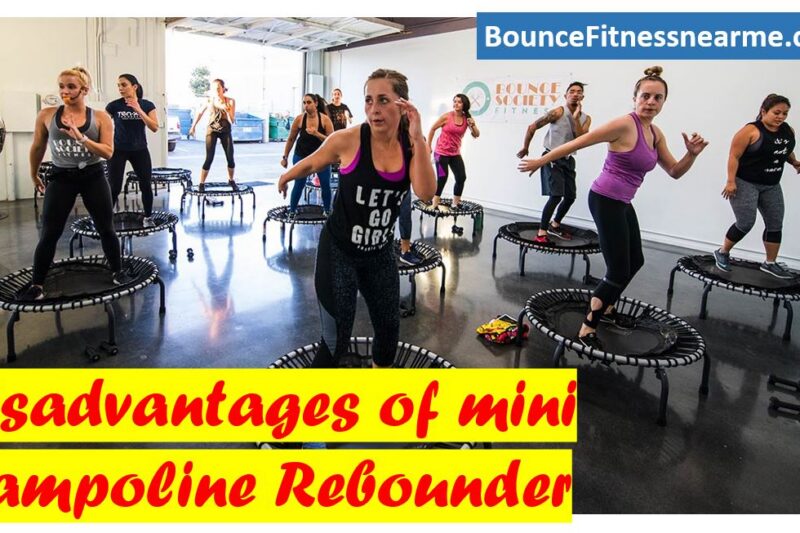
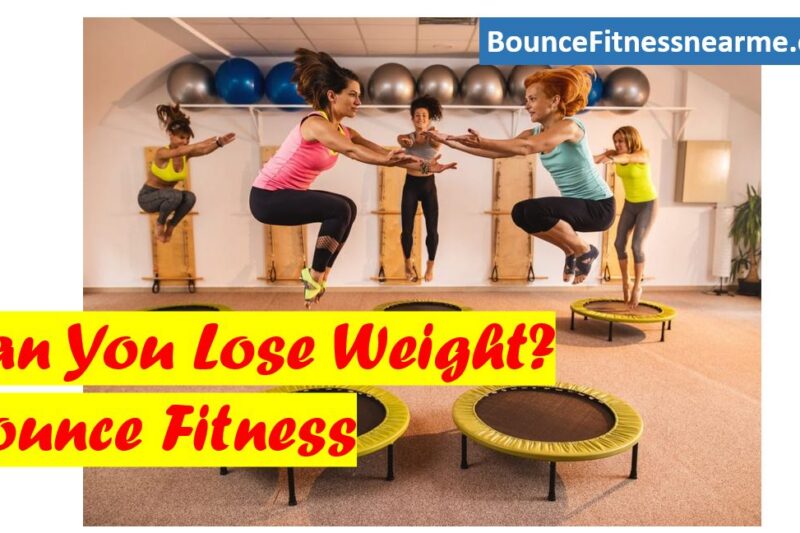
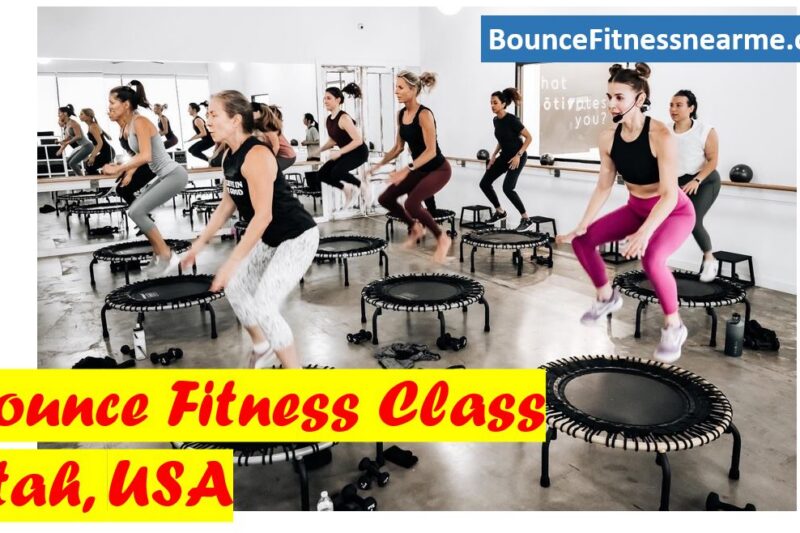
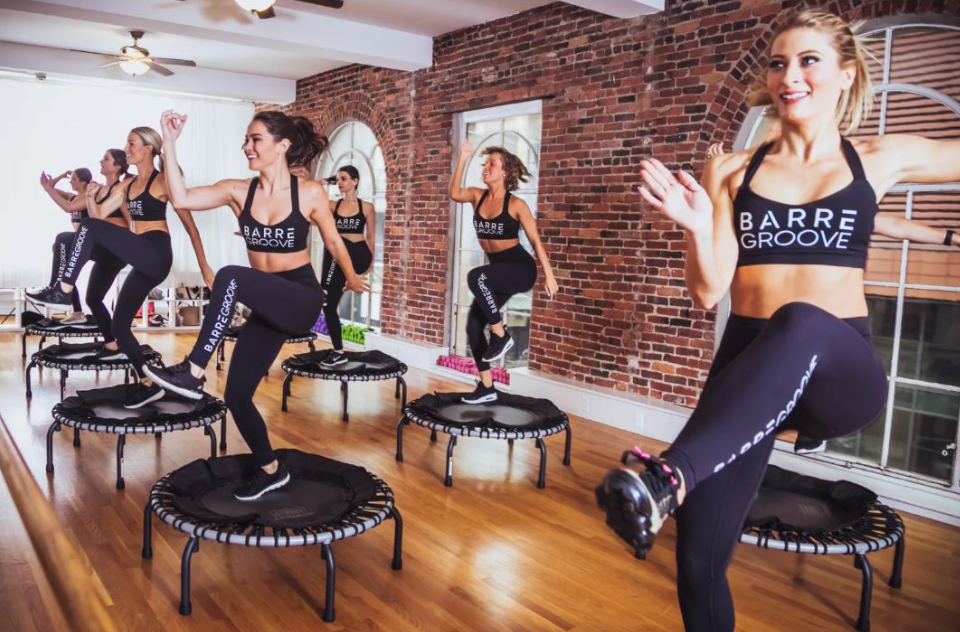
What is Bounce Fitness?
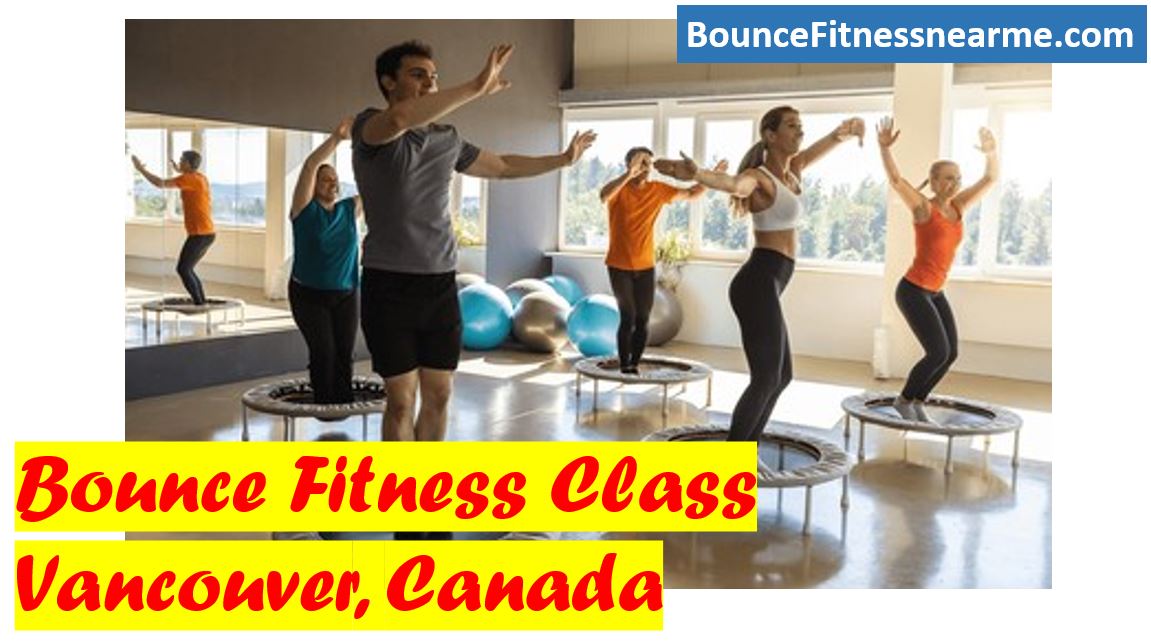
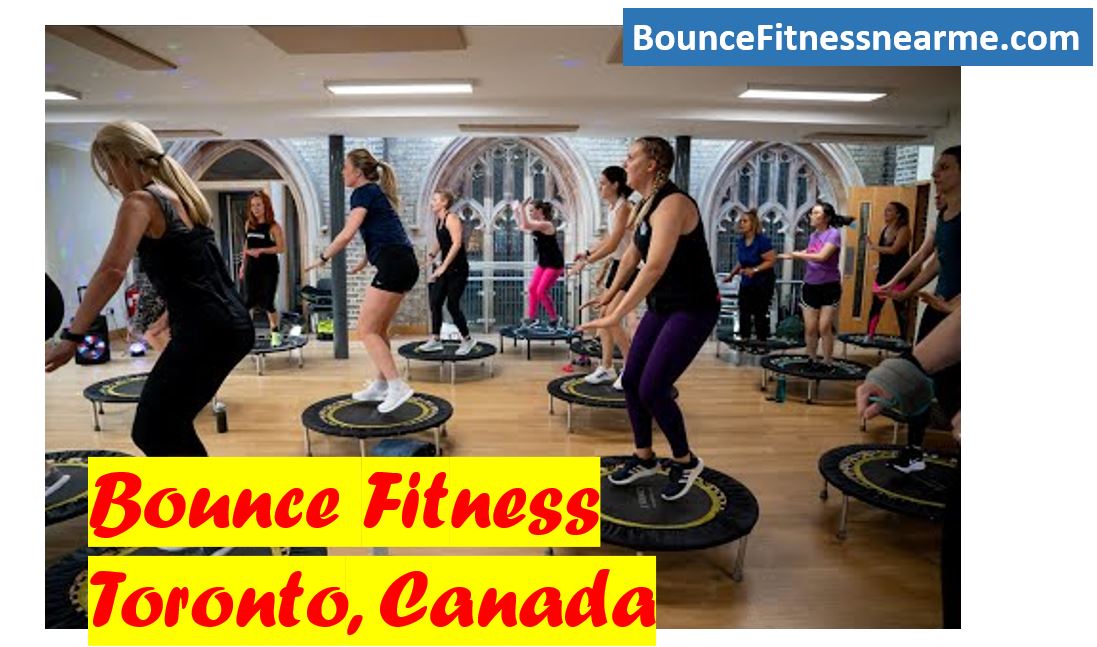
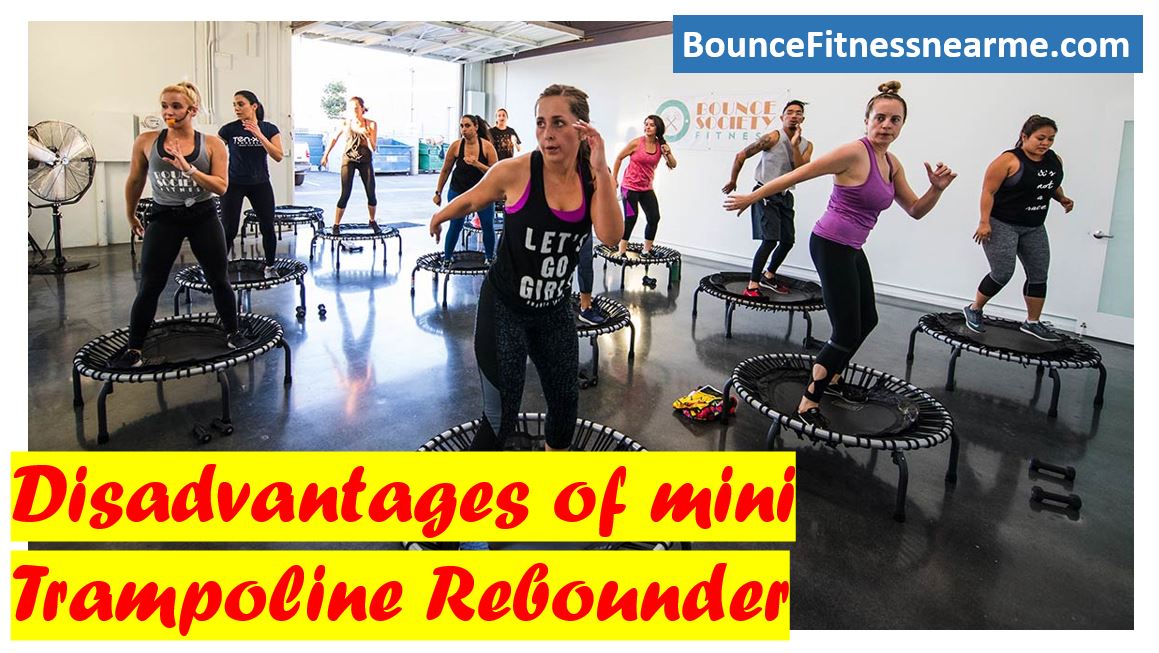
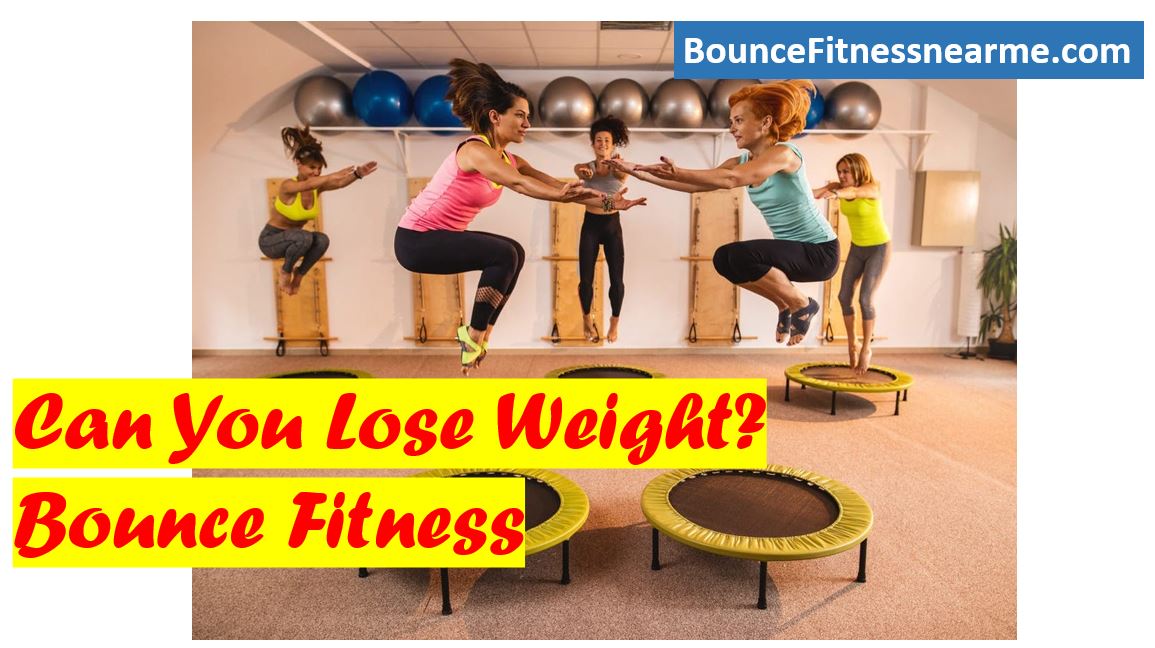
Bounce fitness—also called rebounder or mini-trampoline fitness—is a low-impact workout done on a small trampoline designed for exercise. Instead of jumping high, you perform controlled bounces and movements while staying centered on the mat. This type of fitness became popular because it combines cardio, balance, and coordination in a fun, rhythmic way that feels easier on the body than many traditional workouts.
One of the biggest benefits of bounce fitness is that it’s gentle on the joints. The trampoline mat absorbs much of the impact, reducing stress on the knees, ankles, and hips compared to running or jumping on hard surfaces. At the same time, it still provides an effective cardiovascular workout, helping improve heart health, endurance, and calorie burning. Many routines also include strength moves like squats, twists, and arm exercises.
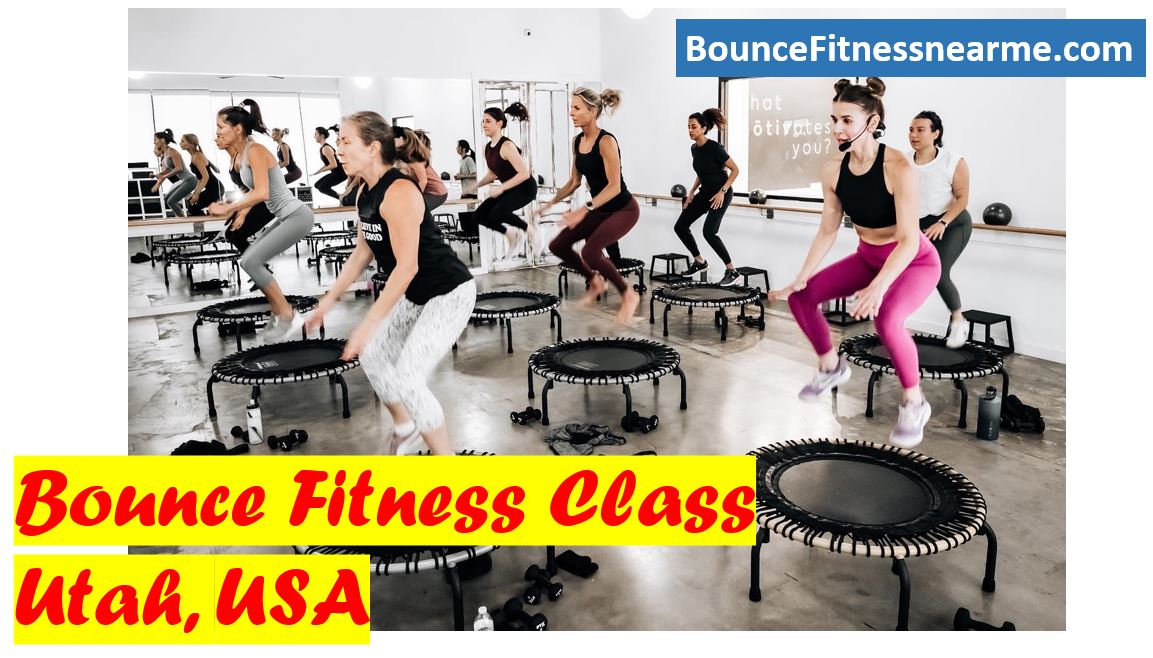
Bounce fitness is suitable for many fitness levels, from beginners to experienced exercisers. Classes or home workouts can range from light, steady bouncing to high-energy routines set to music. Because it’s engaging and playful, many people find it easier to stay consistent with rebounder workouts, making it a practical and enjoyable way to stay active and improve overall fitness.
Why I started doing Bounce fitness
Bounce fitness has helped motivate me in ways that a traditional gym never did. Walking into a gym filled with heavy machines and unfamiliar equipment often made me feel intimidated and self-conscious. With bounce fitness, the environment feels lighter, more welcoming, and actually fun. Stepping onto a rebounder doesn’t feel like a chore—it feels like something I want to do, not something I’m forcing myself through.
What really makes a difference for me is how enjoyable and freeing the movement feels. Instead of counting reps or worrying about whether I’m using equipment correctly, I can focus on the rhythm, the music, and how my body feels. The bouncing motion gives me energy and instantly lifts my mood, which keeps me motivated to come back again. I don’t feel judged or pressured to look a certain way, and that sense of comfort has helped me build confidence in myself.
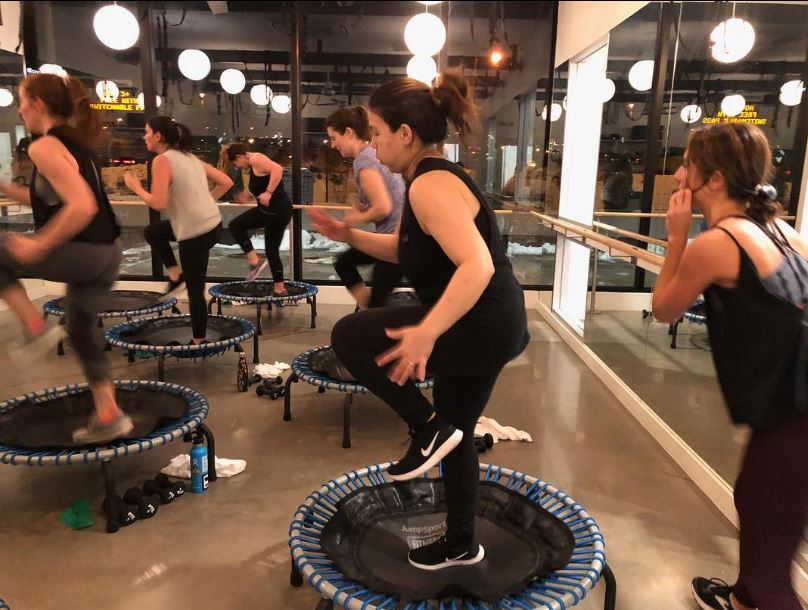
Bounce fitness has also made exercise feel sustainable and empowering. Because it’s low-impact and gentle on my body, I don’t dread workouts or fear injury the way I sometimes did in a conventional gym. It reminds me that fitness doesn’t have to be rigid or intimidating to be effective. For young women like me, bounce fitness turns movement into a positive, joyful experience—and that’s what truly keeps me motivated to stay active.
How to use BounceFitnessNearme.com?
BounceFitnessNearMe.com is a specialized fitness resource focused on bounce (mini-trampoline) fitness — sometimes called rebounder training. It isn’t a gym itself but a hub that:
- Lists and reviews studios and classes that offer bounce workouts in different cities (e.g., Houston, Colorado, Vancouver).
- Shares details like pricing, location, schedule, and class style so you can compare options before you sign up.
- Offers blog posts and insights on benefits, safety, and how rebounding can help different people, including beginners and older adults.
My personal goal is to educate and guide people interested in this fun, low-impact workout style by providing detailed studio reviews and fitness insights.
How to Use the Website for Your Fitness Journey
Here’s how you can use the site to your advantage:
1. Find Local Bounce Fitness Studios
Search the site for pages related to your city or region (there are posts for locations like Houston, Colorado, Vancouver, Montreal, etc.). These pages usually include:
- Lists of top studios and their contact details.
- Class schedules, price ranges, and what each studio’s workout focuses on (e.g., cardio bounce, strength combos).
Use these to compare options and choose classes that fit your schedule, budget, and fitness level.
At some point to locate most of the best Bouncefit classes and study them we have used google maps first to locate them. After finding the best locations we carefully analyze and study each of the locations so we review them first and give to you our first hand validation and experiences.
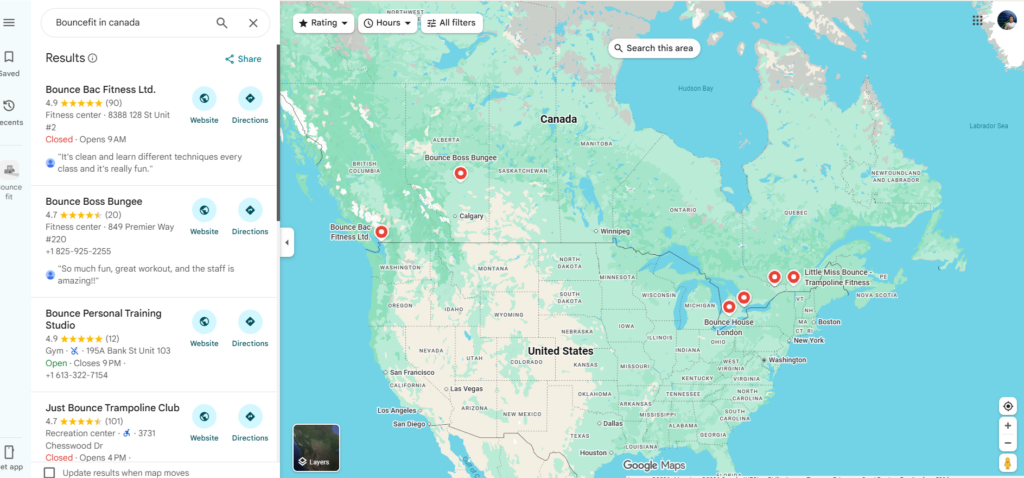
Ultimately most of us will try to find the prices of these classes and compare each of the best from each location. This is where our website comes in handy to the users as you will have the comparison of session time and prices so no need to go there directly.
Most of the classes however do not reveal this so you can check each of our review per location
2. Learn What to Expect Before You Go
The site’s reviews and blog posts often describe:
- Whether classes are beginner-friendly.
- What types of movements or equipment are used (e.g., cardio bounces, balance work).
This helps you prepare mentally and choose classes where you’ll feel confident, not overwhelmed.
3. Get More Motivation & Fitness Tips
Beyond studio listings, the site offers articles about rebound fitness benefits—like its low-impact nature and how it can help cardiovascular health, balance, and joint comfort.
Reading these guides can:
- Reinforce your motivation.
- Help you understand why bounce workouts might suit you better than traditional gym routines.
Each article posted here have a structure so you can easily navigate the site and compare each of the studios that we have reviewed for you.
1. Bungee Fitness Studio name
This provides the business name of the studio that we are comparing. We include details such as its email address and website location so you can visit the actual classes that they are offering
2. Location
This is the physical address of the Bounce fitness studio. We have provided their addresses so that you will know if the location is accessible at your current place. Nearby Bounce fitness studios can be found in our search bar, just time the location and it will list all same location studios
3. Description
After we have done study and verification of the studio we summarized what we have found about them.
4. Programs
Here you will know the type of programs the Bounce fitness class is offering. You can have a sneak peak of what they have from their classes. It is here what relative levels or requirements do you need to join the class.
5. Instructors
Bounce fitness instructors tend to change from time to time, so as much as possible we do our best to introduced them also. Based from my experience Ladies tend to be more inclined to lady instructors also
6. Testimonials
This give you a rough idea whether the studio class is worth joining as first hand testimony for those who have tried already the fitness classes. Read carefully what they say about a particular studio
7. Pricing
Individual classes have different price as compared to group classes where the former tend to be more cheaper than the latter
8. Schedule
For your convenience a schedule snap shot from their sites have been added for basic information and comparison. Some member have work in the day time so many of the Bounce fitness studios offers classes at night or during weekends.
Once you’ve found a few options through the site, reach out to studios directly to ask about intro classes or trial sessions. Many bounce fitness places are welcoming to new members and may even offer beginner discounts or mixed-level classes that help you ease in.
What are the Benefits of the Bounce Fitness?
Bounce fitness offers a wide range of benefits that make it appealing to people of all fitness levels. One of its biggest advantages is that it provides an effective cardiovascular workout while being low impact. The soft, elastic surface of the rebounder absorbs much of the shock that would normally stress the knees, hips, and ankles, allowing you to improve heart health and stamina with less risk of joint strain or injury.
Another key benefit of bounce fitness is how it engages the entire body. Even simple bouncing activates the core muscles to maintain balance, while the legs, glutes, and stabilizing muscles work continuously. Many routines also include arm movements, squats, and twists, which help build strength, coordination, and balance. This full-body engagement makes bounce workouts efficient, as you can burn calories and tone muscles at the same time.
Beyond physical benefits, bounce fitness can have a strong positive impact on mental well-being. The rhythmic bouncing motion and upbeat music often used in classes can boost mood, reduce stress, and increase motivation to exercise regularly. Because it feels fun and playful rather than rigid or intimidating, bounce fitness helps many people stay consistent with their workouts, supporting long-term health and an active lifestyle.
Equipment use for Bounce fitness Exercises
Bounce fitness uses simple but effective equipment designed to support safe, low-impact movement while still delivering a full-body workout. The main piece of equipment is the rebounder or mini trampoline, which is specially built for fitness use. Unlike children’s trampolines, rebounders have a sturdy frame, strong springs or bungee cords, and a firm yet flexible mat that absorbs impact. This design protects the joints while allowing controlled bouncing, balance work, and cardio movements.
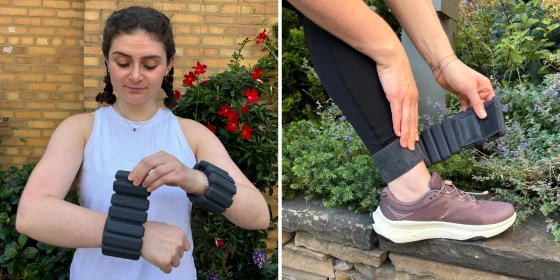
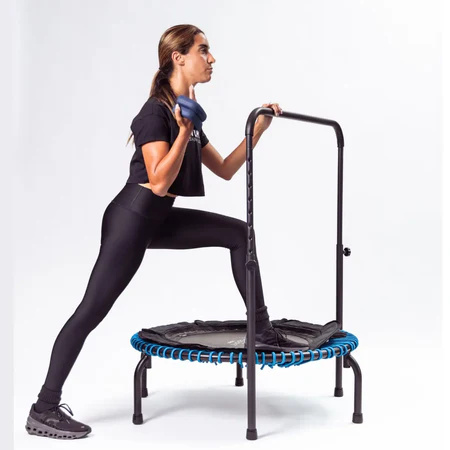
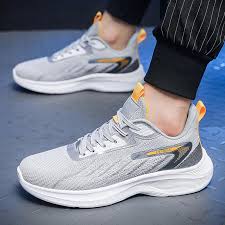
In addition to the rebounder, several support and safety accessories are commonly used to enhance stability and confidence, especially for beginners.
- Stability bar or handle: Attached to the trampoline, it helps with balance and posture during workouts.
- Non-slip socks or training shoes: Provide grip and prevent slipping on the mat.
- Exercise mat: Used for warm-ups, cool-downs, or strength exercises off the trampoline.
These items make bounce fitness more accessible and comfortable for different fitness levels.
Bounce fitness may also include light training tools to increase intensity and variety.
- Light dumbbells or hand weights: Add resistance for arm and upper-body toning.
- Resistance bands: Used for strength and muscle activation exercises.
- Ankle or wrist weights: Increase calorie burn and muscle engagement during bouncing.
Together, these equipment pieces keep bounce fitness workouts fun, adaptable, and effective while maintaining the low-impact benefits that make this exercise style so popular.
Why Bounce Fitness is Trending?
Bounce Fitness is trending for several reasons that make it stand out from traditional workouts and appeal to a wide range of people. First, it feels fun and energetic, almost like playing rather than exercising. Bouncing on a mini-trampoline with music creates a joyful atmosphere that many people find more motivating than the repetitive motions of machines or treadmills. Because it feels less like a chore and more like a dance-cardio experience, more people—especially younger adults—are trying it and sharing their experiences online.
Another reason Bounce Fitness is gaining popularity is its accessibility. The equipment (a rebounder) is relatively affordable and compact, so people can use it at home without needing a gym membership or bulky machines. It’s also low-impact, which means it’s easier on the joints than running or high-impact aerobics while still offering a solid cardiovascular and full-body workout. This combination of effectiveness and gentleness attracts beginners, people returning to fitness, and those who want a less intimidating alternative to conventional gym workouts.
Finally, the trend is fueled by social and digital media. Influencers, fitness bloggers, and class videos on platforms like TikTok, Instagram, and YouTube showcase Bounce Fitness routines that look upbeat, stylish, and achievable. Group classes from boutique studios add a social element that’s shareable and community-driven. These factors create buzz and social validation, making more people curious to try bounce workouts and join the growing movement.
What do you need to wear for a Bounce fitness class?
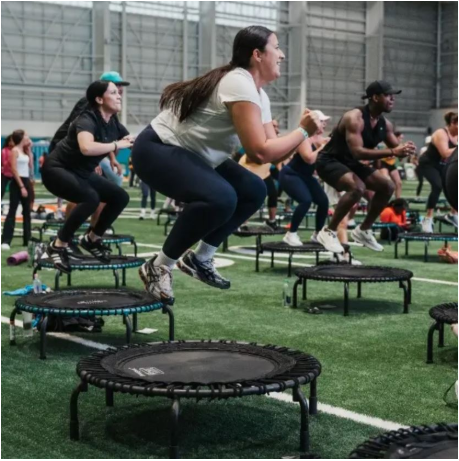
1. Comfortable, Fitted Activewear
Wear breathable tops and bottoms that fit well without being too loose. Since bounce fitness involves continuous movement and bouncing, fitted leggings and tops help prevent fabric from shifting or riding up. Moisture-wicking materials are best to keep you cool and dry during the workout.
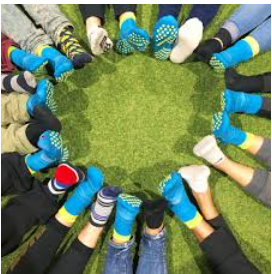
2. Grip Socks (Most Important)
Non-slip or grip socks are usually required in bounce fitness classes. The rubber grips on the soles help prevent slipping on the trampoline mat and provide better stability during jumps and balance movements. Many studios sell grip socks if you don’t have your own.
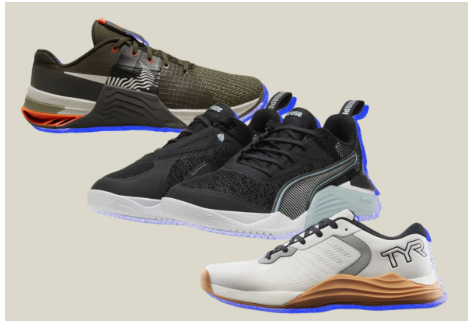
3. Shoes (Only if Allowed)
Some bounce classes allow lightweight training shoes, while many prefer no shoes to protect the rebounder surface. Always check the studio’s policy beforehand. If shoes are allowed, choose flexible, low-profile shoes with good grip and minimal cushioning.
4. Supportive Sports Bra
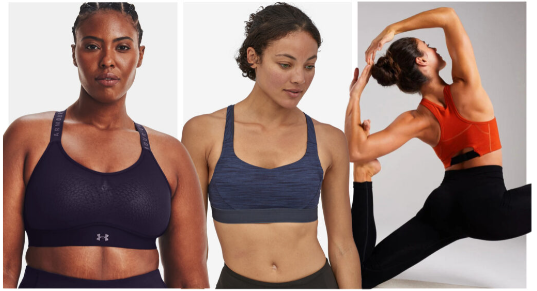
A well-fitted sports bra is essential, especially due to the bouncing motion. Medium to high support helps reduce discomfort and allows you to move confidently without distraction during high-energy routines.
5. Optional Accessories
- Sweat towel – Bounce workouts can be intense
- Hair ties or headband – Keeps hair out of your face
- Light jacket or hoodie – For warm-up or after class
6. Quick Tips
✔ Avoid loose shorts or baggy pants
✔ No sharp accessories or jewelry
✔ Choose comfort over fashion—but you can still look cute
What are the different Bounce Fitness moves?
Here are some common Bounce Fitness (rebounder) moves, typically done on a mini trampoline. These movements focus on cardio, balance, strength, and coordination while staying low-impact.
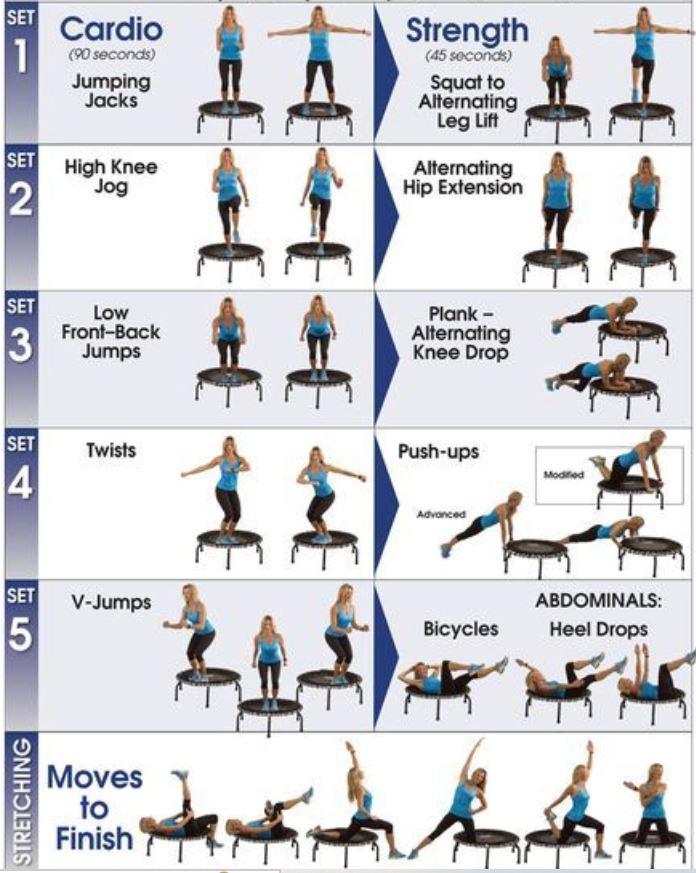
Basic Bounce
This is the foundation of all bounce fitness workouts. You bounce gently while keeping your feet on the mat and your core engaged. It helps warm up the body, improve circulation, and build balance and rhythm.
Health Bounce
A low, controlled bounce where your feet stay in contact with the mat. The movement focuses more on pushing down than jumping up, making it ideal for beginners and recovery days while still activating the lymphatic and cardiovascular systems.
Jogging Bounce
This move mimics jogging in place on the rebounder. You alternate lifting your feet while maintaining a steady bounce. It increases heart rate and builds endurance without the joint impact of running on hard surfaces.
Jumping Jacks
A rebounder version of traditional jumping jacks, where arms and legs move outward and inward while bouncing. The trampoline absorbs impact, making this classic cardio move easier on the knees and ankles.
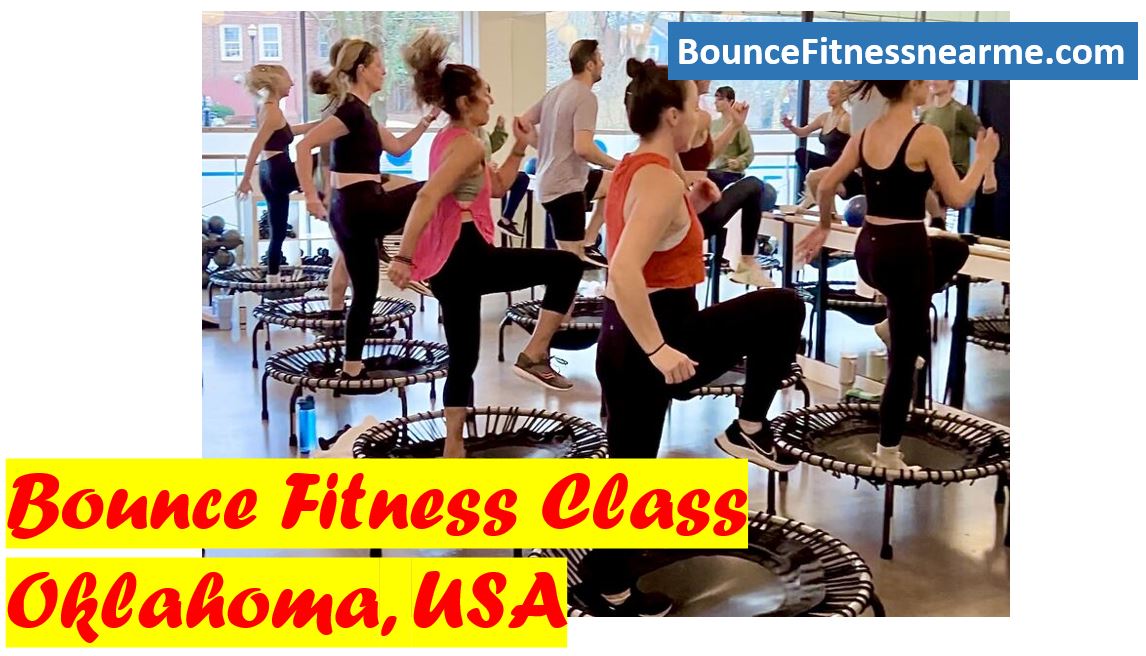
High Knees
In this move, you lift one knee at a time toward your chest while bouncing. It engages the core and hip flexors and adds intensity to cardio-focused bounce workouts.
Twist Bounce
While lightly bouncing, you rotate your hips side to side. This move targets the obliques and improves coordination while keeping the movement smooth and controlled.
Squat Bounce
You perform shallow squats while bouncing gently on the trampoline. This strengthens the legs and glutes while maintaining continuous movement for cardio benefits.
Heel Drops
Standing tall, you lift onto your toes and then press your heels down into the mat. This move helps activate the calves, improve circulation, and is often used during warm-up or cool-down phases.
Side-to-Side Bounce
You shift your weight from one foot to the other while bouncing. This improves balance, coordination, and lateral movement strength.
Arm-Driven Bounces
These involve adding punching, rowing, or overhead arm movements while bouncing. They increase upper-body engagement and boost calorie burn.
Bounce fitness moves are designed to be fun, scalable, and joint-friendly, allowing participants to adjust intensity based on comfort and fitness level.
Water Intake Calculator
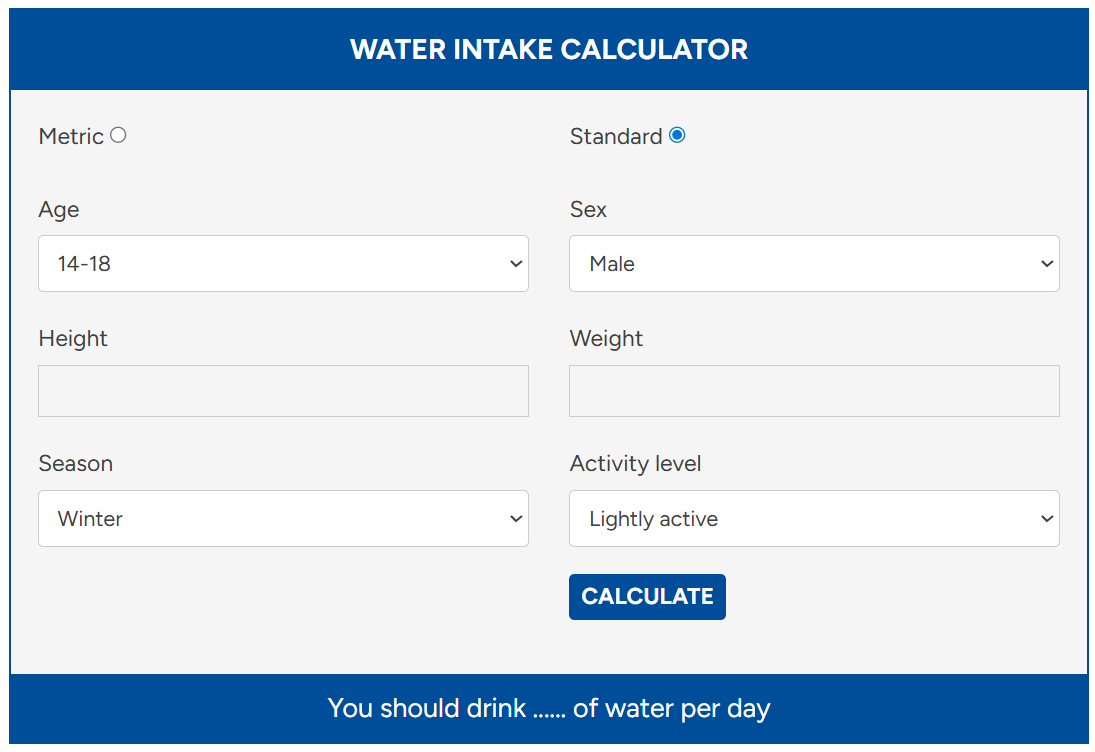
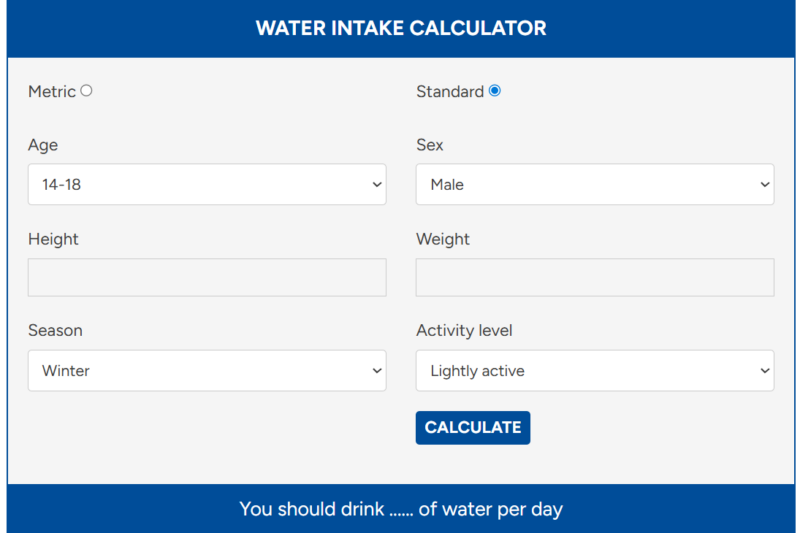
This calculator was added as a reference for Bouncefit fanatics like me. We need to hydrate ourselves during intense workouts so try to use this to monitor your water intake.
A water intake calculator is a helpful tool designed to estimate how much water a person should drink each day based on factors such as age, weight, activity level, climate, and overall health. Proper hydration plays an important role in maintaining energy, supporting digestion, regulating body temperature, and keeping the skin and organs functioning properly. Since water needs vary from person to person, a calculator provides a more personalized recommendation instead of relying on a general “8 glasses a day” rule. Many online calculators also consider exercise intensity and hot weather conditions, which can increase fluid requirements. By using a water intake calculator, people can better monitor their hydration habits and develop a healthier daily routine.
Water Intake Calculator
You should drink ...... of water per day
Protein Intake Calculator
A protein intake calculator is a useful tool that helps estimate the amount of protein a person needs each day based on factors such as body weight, age, fitness goals, and activity level. Protein is an essential nutrient that supports muscle growth, tissue repair, immune function, and overall health. People who exercise regularly, build muscle, or follow weight-loss programs often require higher protein intake compared to less active individuals. A protein intake calculator provides personalized recommendations instead of relying on general guidelines, making it easier to plan balanced meals and maintain proper nutrition. By tracking daily protein needs, users can support better energy levels, muscle recovery, and long-term wellness.
Protein Intake calculator
You should take ...... of protein per day